


When you buy a new vehicle, you know to get the best deal you need some sort of down payment or trade-in. If you have trouble coming up with the $1,000 to $5,000 needed for a better rate, you might be tempted to use a credit card. Pennsylvania area Toyota dealership discusses the good, the bad, and the ugly with using credit cards for down payments.

Can You Use a Credit Card?
At most dealerships, probably not. Plastic can be a real pain for car dealerships. Car dealerships have to pay when you use your credit card. Credit card companies may charge up to 4% for a dealership to process a credit card, which can result in hundreds or thousands of dollars in fees for the dealership. Consumers also have the right to refuse payment. Therefore, if you dispute a charge, the credit card can stop payment once the car is off the lot. Ask your dealership professional about the policy for paying with a credit card.
Why it is not a Good Idea
If you are considering using your card so you can cut your monthly payment and interest rate, you will not be doing that in the end. Look at your current credit card statement. What is the interest rate? It is probably two or three times what you would pay for a car loan.
How to Get a Good Deal
If you want a good deal on a car loan, ask the dealership about rebates and special incentives. If the dealership still has last year’s inventory on the lot, it will be anxious to make way for the new lineup. This is your chance to score an awesome deal. If you are considering using your credit card because your credit is not where it needs to be for a good rate, consider waiting a little longer and saving a little bit of money per week to save for a down payment.
If You Still Want to Use Plastic
If you have the money to pay off the balance of the card, and you are only using it to get rewards, using plastic may work for you. Keep in mind when you charge: the more you spend, the higher the interest if you do not pay the balance off or down.
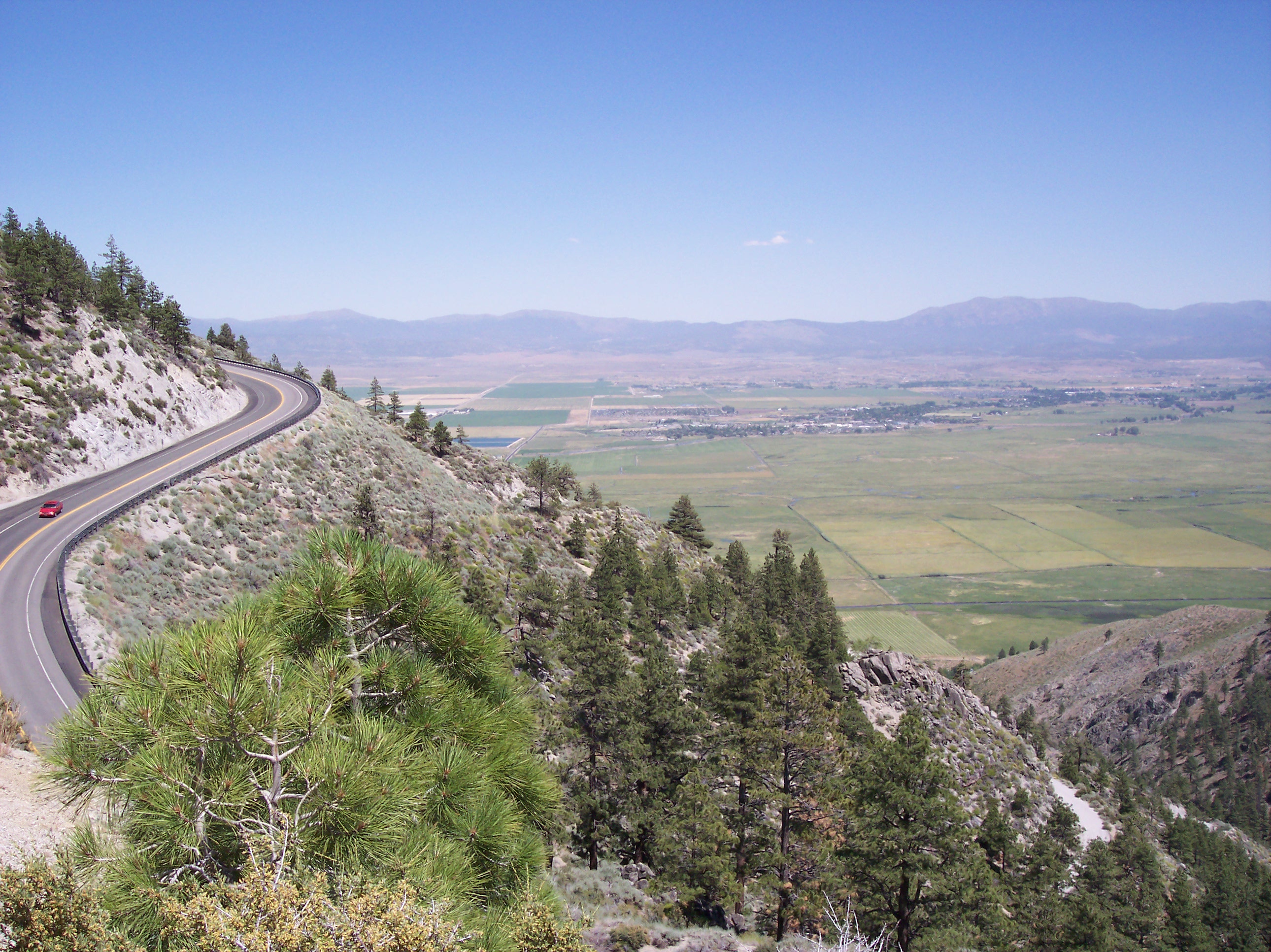
If you have plans to head north to the mountains, know that driving in higher altitudes is a little trickier than what you are used to at lower ground. Not only do you have to contend with different weather patterns and environment, but also you have to be aware of windy roads, animals and falling rocks. If you are headed to the mountains, Hatfield Toyota offers tips for driving in the mountains.
Before you Leave
Before you head up to the mountains, take care of a few items of business first.
- Take the car in for regular maintenance and inspection
- Fill up the vehicle
- Pack plenty of fluids for you and your vehicle
- Pack a high-altitude care kit
Health Problems Associated with High Altitudes
When you are at high altitudes, you can run into a number of health issues.
- Dry air
If you are susceptible to nose bleeds in dry climates, take a nasal spray with you to prevent dry nasal membranes. Dry air can also cause dry eyes, so pack artificial tears or contacts drops.
- Altitude sickness
Before you leave, talk to your doctor about medications to combat altitude sickness. Symptoms of altitude sickness can arise within 72 hours of arriving. Symptoms include fatigue, sleep issues, nausea, no appetite, headache, and shortness of breath. If you experience any of the symptoms, seek medical help.
- Motion sickness
Motion sickness is common when driving in high altitudes. Consider packing an over-the-counter motion sickness medication and disposable bags if an emergency arises.
Tips for Driving
When you are driving in the mountains, adjust your driving habits to keep you and your passengers safe.
- Watch for pedestrians, bikers, and animals on the side of the road
- Do not coast downhill
- Use low gears to climb and descend
- Slow down on winding roads, around curves, and when cornering
- Avoid using the AC if you are concerned about overheating
- Don’t ride your brakes when going down hill
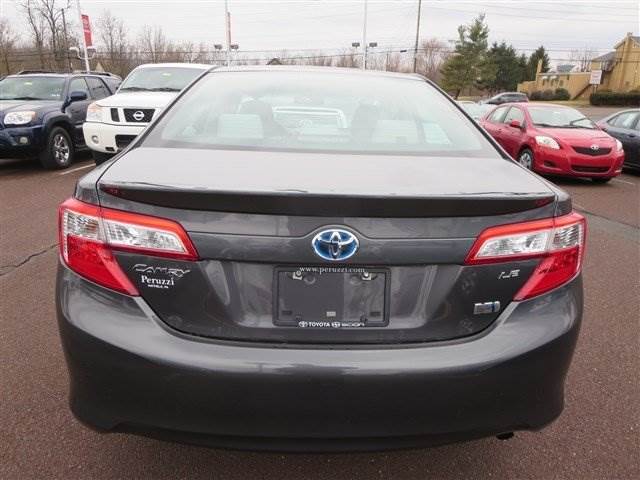
Toyota has a wide variety of hybrid models, which includes sedans, hatchbacks and SUVs. Toyota makes it easy for consumers to get into the right hybrid for the best price, whether new or used. If you are in the market for a hybrid sedan, consider a pre-owned model that accommodates your budget. Consumer Reports says the pre-owned 2012 Toyota Camry Hybrid at Toyota dealer near Philadelphia is one of the top used sedans between $20K and $25K.
Overview of the 2012 Toyota Camry Hybrid
The 2012 Toyota Camry Hybrid LE on the lot is priced below $20K, and it has fewer than 41,000 miles on the engine. The sedan is Toyota Certified and a CARFAX 1-owner vehicle. The technicians thoroughly inspected the vehicle before awarding the sedan with Toyota Certified designation.
Under the hood is an impressive 2.5-liter inline-4 that produces 200 hp. The Toyota Camry Hybrid LE has a FWD drivetrain and CVT automatic transmission. According to the EPA, the estimated fuel economy rating is 43/39 mpg. The agency reports the Camry has the potential to save consumers $3250 in fuel costs over five years compared to the cost of the average new vehicle. The estimated annual fuel cost is about $900.
Toyota equipped the sleek hybrid sedan with an abundance of features such as Bluetooth®, alloy-look trim, keyless start, keyless entry, multi-zone A/C, premium cloth upholstery, folding rear seats, CD player, MP3 player, auxiliary audio input, and power outlet.
In 2012, the IIHS awarded the 2012 Toyota Camry with a Top Safety Pick Award, and the hybrid sedan earned an overall 5-star safety rating from the NHTSA. Standard safety features include an airbag system with sensor, brake assist, traction control
Toyota is proud to be one of the most trusted brand by families. The company’s sedans, SUVs, and its minivan are frequent mentions on industry lists of the best of the best. If you are in the market for the best family SUV, KBB has a suggestion for you. The Toyota Highlander at Pennsylvania area Toyota Dealership is one KBB’s Best Family Cars of 2015.
Say Hello to Your New Highlander
The starting MSRP for the Toyota Highlander is less than $30,000. In addition to naming the Highlander one of the Best Cars for Families, KBB awarded the 2015 Toyota Highlander with a 2015 Best Buy Award. The IIHS awarded the family SUV with the distinguished 2015 IIHS Top Safety Pick+ Award, and both the FWD and AWD models earned perfect 5-star safety ratings from the NHTSA.
The SUV is standard with seating for eight, and seating for seven is optional in the XLE and Limited models. The Highlander’s cabin features second- and third-row seating, adjustable driver’s seat, and cloth interior. The second row is a 60/40 split-folding bench, and the third row is a 50/50 split-folding seat. The maximum cargo capacity in the Toyota Highlander is 83.7 cubic feet, and 13.4 cubic feet when all the seats are in place.
The engine in the Toyota Highlander LE is a 2.4-liter inline-4 that produces 185 hp at 5800 RPM and 184 lb.-ft. of torque. The estimated fuel economy rating for the FWD SUV is 20/25 and the towing capacity is 1500 lbs. All other Toyota Highlander models have the 3.5-liter V6 that produces 270 hp and 248 lb-ft. of torque. The FWD version averages an estimated 19/25 mpg and the AWD averages 18/24 mpg. The max towing capacity is 2,000 lbs.
You are not going to recognize the 2016 Toyota Camry Special Edition, and that is a good thing. One thing is certain, it demands respect and it will get it. The Toyota Camry sedan has been a longtime trusted companion for families and commuters, but the company wants to appeal to a larger audience. The best-selling sedan is America is about to entice even more drivers. The Toyota dealer in Trenton area cannot wait for the highly anticipated 2016 Toyota Camry Special Edition.
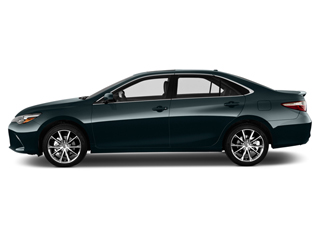
’15 Camry shown
A Camry is a Camry, Right?
Nope. The Camry took a style and performance hint from its much sportier sibling—the Toyota Corolla. The 2016 Toyota Camry Special Edition received a wealth of cosmetic improvements and technological features, not to mention, an exclusive ‘Special Edition’ exterior badge that tells other driver, “Look at me. Look at me!”
Production will not kick off until August of this year, and it will cease in January 2016. Only 12,000 lucky drivers will have the opportunity to drive home the special sedan.
What We Know About the New Camry Special Edition Thus Far
Mum’s the word. According to Toyota.com, the 2016 Toyota Camry Special Edition sits on a set of 18-inch machined-face wheels, has smoked taillights, and is accented by special edition badging. The Camry’s interior has vibrant blue accent contrast stitching, a crisp instrument panel, and Qi wireless charging functions. The 2016 Toyota Camry Special Edition will be available in two exterior colors, Blizzard Pearl and Blue Streak Metallic. Completing the athletic body is a standard moonroof.
Consumers can sign up for Camry updates here.
Your local Peruzzi dealership can help you understand and remedy recalls. In March Toyota announced it would be recalling over 110,000 Toyota sedan and SUVs models. If you want to know more about the recall, your trusted dealership professionals can help you out. Pennsylvania area Toyota service team discusses the recent power steering recall.
Which Vehicles are Affected?
According to the March announcement from Toyota, the company is recalling the following vehicles:
- 2015 Camry sedans and hybrid versions sedans
- 2015 Highlander SUVs and hybrid versions
- 2014-2015 RAV4 SUVs
What is the Issue?
The affected models may have faulty circuit boards that can shut power steering to the vehicles. The vehicle will revert to manual steering only, which can make it difficult to steer the vehicle, especially at low speeds. The company will replace the steering system’s electronic control unit.
Is My Vehicle Recalled?
Consumers who are concerned about the recent recall can call Toyota or the NHTSA. As of March 15, 2015, the NHTSA had not yet posted all of the complete recall filings. Consumers affected by the power steering recall will be notified by Toyota via US mail. The recall letter will identify the problem, the affected vehicles, and the remedy. The letter requests consumers contact the dealership for an immediate repair, free of charge. If you are still concerned, you can make a few phone calls or hit the web.
- Contact Toyota customer service or the dealership directly to inquire about the recent recall announcement
- Visit safercar.gov to look up recall information for your specific vehicle. You can research by year, make and mode, or you can input your vehicle’s VIN.
Hatfield Toyota Discusses “Wear and Tear”
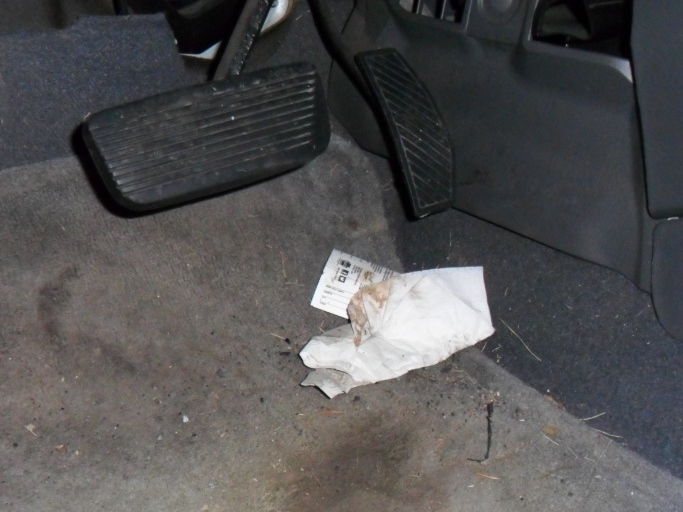
If you look at your owner’s manual, the term ‘wear and tear’ pops up a few times. Wear and tear affects leasing, trade-in value, tire warranties and replacement, and warranty coverage, so it is a good idea to understand it fully. Naturally, vehicles are going to experience a degree of wear, but when does it become a problem? Hatfield Toyota discusses wear and tear.
Determining Wear and Use
Toyota Financial has a table to assist leasing consumers with evaluating normal and excessive use of a vehicle. The following list includes examples of excessive wear.
- Any damage to the seats or trim larger than a credit card, and multiple damaged locations
- Missing parts and/or accessories
- Any modifications or improperly installed equipment personally installed or at another location that is not the dealership
- Body scratches larger than the size of a credit card
- Scratched/dented bumper(s)
- Bald or damaged tires
- Damage or missing wheels
- Broken or damaged glass surfaces and accessories
- Scratched body panels
- Poor body work
- Damage to factory tint or installed aftermarket tint
- Missing/damaged mirrors, lamps, or signals
What are the Consequences of Excessive Wear?
Excessive wear and tear will present a number of issues when you visit the dealership.
- Reduces car’s trade-in value
- Increases the number of service and maintenance trips you will have to pay for
- May affect certain warranty coverages
- Leasing company will charge for excessive wear, damage to the vehicle, and aftermarket modifications
The dealership team will ultimately be the ones determining wear and tear. The above table gives you insight into the process.
If you have your vehicle serviced at somewhere other than the dealership, you may have noticed that some of the services differ greatly from those at the dealer. Is there really a miracle cure to increase your fuel economy ratings, make your car run cleaner and last longer? If you aren’t sure, take a look at your owner’s manual or call the service department. Pennsylvania Toyota dealership warns against unnecessary car cures.
- Fuel injector cleaners
If someone is not taking your fuel injectors out of the engine and physically cleaning them, a pricey bottle of goo is not going to do a darn thing.
- Engine flushes
You won’t find the term ‘engine flush’ in your owner’s manual. Most cars don’t need an engine flush, especially if the driver remains up-to-date on recommended service and maintenance.
- New brakes and pads
If you take your car in for brake inspection and service, be careful the shop doesn’t try to charge you for a complete brake overhaul. Look at the owner’s manual service schedule, listen to your brakes, and pay attention to how your car handles. If a complete brake job seems a little premature, it probably is.
- Labor costs for state inspection
Here’s the thing: you pay only for the inspection, which is usually under $40.00. If you go to a shop that wants to charge you to put the car on the lift, an initial labor fee, or for repairs you never authorized, get out of there. Go somewhere else, and if your car needs repaired, get a second opinion.
Getting safety just right takes years of tedious work, skillful engineering, and implantation of the latest technology in the industry. As the market changes, so does the requirements for IIHS Top Safety Pick status and NHTSA 5-star acknowledgement. Toyota knows how important safety is to you and your family, and that is why drivers get the very best when they visit the lot. Every new Toyota at the Toyota dealer in Trenton area is equipped with the Star Safety System™.

What is in the System?
The system includes the latest safety features and technologies to maximize driver, passenger, and pedestrian safety. The Star Safety System™ features six technologies.
- Brake Assist
Brake assist is an active safety feature that increases braking power in an emergency situation.
- Traction Control
Limits tire slip when a vehicle in on a slippery roadway or surface.
- Stability Control
Uses sensors to control the vehicle when a vehicle is traveling off the intended path. If the steering is going one way, and the wheels are traveling in another, the system applies the brakes to the affected wheels to redirect the wheels.
- Electronic Brakeforce Distribution
The feature detects how much weight each wheel is supporting and adjusts the braking pressure to each individual wheel to bring the car to a stop safely.
- ABS
ABS is a technology that assists the driver in maintain control when steering and avoid skidding. The system prevents the brakes from locking up.
- Smart Stop Technology®
Toyota’s technology has the ability to reduce the engine’s power in a braking situation, which enables the car to stop safely, even if firm pressure is on the gas pedal.
Toyota is reliable, affordable, and power force in the auto industry. The company has strong resale values, impressive safety reviews, and low ownership costs. Every year, KBB releases its picks for the vehicles in the industry with the lowest cost-to-own figures for five years of ownership. Toyota is no stranger to the list. The 2015 Toyota Corolla at Toyota dealer near Trenton earned the KBB 5-Year Cost-to-Own Award.

Figures that Affect Cost-to-Own
Calculating cost-to-own is an in-depth process with various facets to consider. From state fees to fuel economy and insurance costs, if you have to spend money on it, KBB considers its impact on ownership. According to KBB, the 5-year cost to own the Toyota Corolla is only $30,416, which earns the icon the #1 spot as the Best Compact Car. Explore a few of the money-saving figures you can expect when you own a Toyota Corolla.
Low starting MSRP
The starting MSRP for the Toyota Corolla is $17,550 for the L; $22,025 LE; $22,725 LE Eco; $22,955 S.
High fuel economy ratings
The Corolla L and S models with a manual transmission average 28/37 mpg, which saves consumers $1,500 in fuel costs over five years compared to the average new vehicle. The Corolla LE with CVTi-S automatic averages an estimated 29/38 mpg, which has the potential to save consumers $1750 in fuel costs over five years. The Corolla S with CVTi-S automatic averages 29/37, saving $1750 over five years. Last but not least, the Corolla LE Eco averages 30/42 mpg, and the Plus and Eco Premium trims average 30/40 mpg, which saves consumers $2000 over five years.
Free maintenance
Toyota provides free maintenance for the first two years of ownership or 25,000 miles.
High safety ratings
Not only do high safety scores lower your risk of injury in an accident, they lower your insurance premium as well. The NHTSA awarded the Toyota Corolla with an overall 5-star safety rating.
Connect with us
